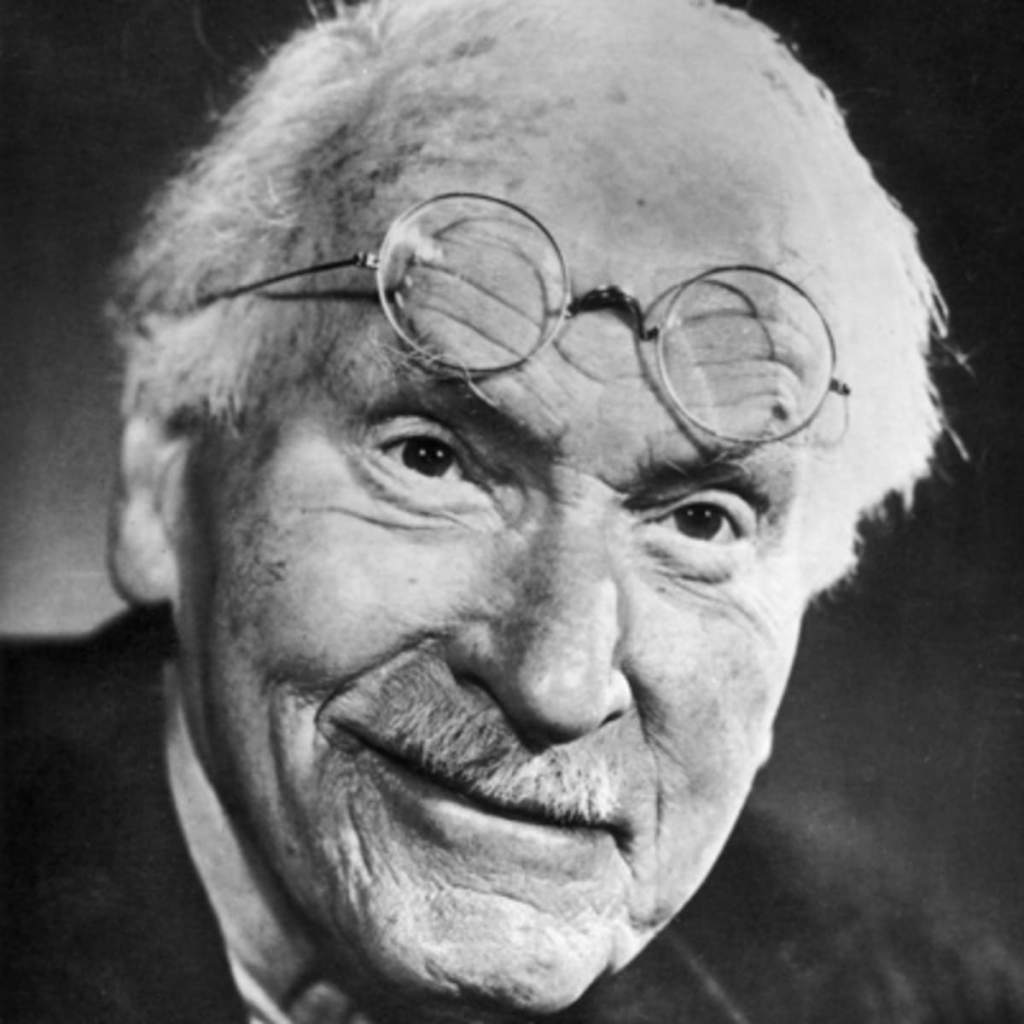
Carl Jung once wrote, “As a totality, the self is by definition always a joining of opposites, and the more consciousness insists on its own luminous nature and lays claim to moral authority, the more the self will appear as something dark and menacing.”
Repression of one’s dark side is a categorical rejection of oneself—and, ultimately, gasoline on the fire of any soul in crisis.
Integration of that darker side doesn’t make its impulses disappear. What it does, instead, is reduce their compulsive power. When something in you is finally seen clearly, it stops operating in the dark.
Facing this formerly repressed version of myself means admitting: “Yes—this is also me.” Not ignoring it, but creating a conscious relationship with it, instead of allowing it to have an unconscious relationship over me.
Not even a saint is exempt from this process. In “The Stages of Life,” Jung writes about Paul:
“Psychology teaches us that, in a certain sense, there is nothing in the psyche that is old; nothing that can definitively die away. Even St. Paul was left with a thorn in his flesh. Whoever protects himself against what is new and strange and thereby regresses to the past falls into the same neurotic condition as the man who identifies himself with the new and runs away from the past. The difference is that one has estranged himself from the past, and the other from the future. In principle both are the same thing; they are salvaging in themselves only a narrow sense of consciousness.”
The thorn is inevitable. The tension between consciousness and the unconscious is inevitable.
What is not inevitable is the future I either avoid or build for myself using the raw material of my hurts, resentments, compulsions, and addictions.
Integration, in a sense, feels like the answer to my prayers—the strength I once projected onto the divine, now transferred back into myself. I wasn’t meant to pray this away. God has to be up there thinking, “What is he still doing?”
So I must face it. Own it. Let it speak—finally—in ways that are instructive.
Pain avoided becomes something monstrous.
But pain owned might be my greatest teacher in the end.


Leave a Reply