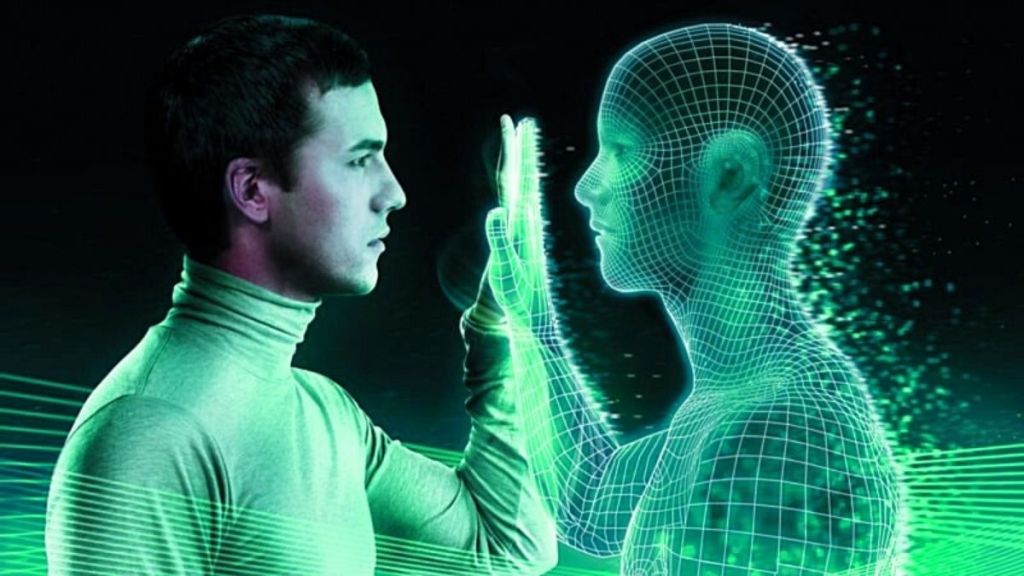
In 1974, philosopher Robert Nozick came up with an idea he called “The Experience Machine”. In this thought experiment, he asks you to consider plugging into a machine that’s connected to your brain to simulate every pleasurable experience you could possibly conceive. This would be a matrix of your most treasured pleasures, at their utmost peaks, constantly experienced. Worry not for your loved ones, they’ll be taken care of.
But remember once you’re plugged in, you won’t know it.
This thought experiment is designed to refute hedonistic ethics, the view that pleasure is the most relevant fact in determining what is “good”. He makes various fantastic arguments against plugging in, and I highly recommend reading his seminal work Anarchy, State, and Utopia to learn more.
I’m in recovery and recently formulated my own version of Nozick’s idea that’s germane to the struggle of addiction.
Imagine you can plug into a narcotics matrix. When plugged into this matrix, you are allowed all the best drug experiences you’ve ever had. What’s more, you’re allowed to turn the pleasure of the high up and up with no ceiling. In other words, no more tolerance, no more “chasing the dragon”. It will only get better by whatever increment you immediately demand.
You will never be told no.
There are no physical consequences for increasing pleasure either. This is a pleasure machine, after all, so overdose, heart attacks, strokes, and the like are no longer possible.
While in the machine, all of life’s ordinary details will be taken care of. All your bills will be paid. Your body will be replaced by a groundbreaking avatar of yours, indistinguishable in mannerism and form and identical to you in all practical and abstract aspects. In other words, no one will know you’re gone.
Would you plug in?
There was a time in my addiction when I would break your hand grabbing the pen to sign whatever waiver was required to swan dive directly into the machine. But something has recently changed in me. I used to think relapse was a failure of discipline. Now I think it’s something else entirely. I now would offer a resounding “No!” and I think the ability to answer this question honestly reveals the crux of the relapse problem for addicts.
I have come to view getting high, stoned, or drunk as mere degrees of possession. When the addict relapses, they evict themselves – mind, body, spirit – from their own life. In these moments one does not simply self-medicate or avoid their problems; they disintegrate and transform their own person.
I am a radically different person when I’m using, one with rapidly degraded moral intuitions, inclinations, and priors. People I previously cherished begged me to stop. I didn’t stop. I spent untold thousands on drugs and alcohol, lost more jobs than I could count, destroyed my credit. Hell, I almost died on the regular, sometimes in front of said loved ones. I still didn’t stop.
For most of my substance abuse history, I was fine with that.
I am currently 103 days clean and the major difference between now and my previous recovery attempts is that I finally understand that there is no meaningful difference between plugging into the narcotics matrix and returning to active addiction.
Both the machine and active addiction make the same, underlying promise of self-erasure. This is the actual draw and the first-order sacrifice of the addict. Not your health. Not your relationships.
Yourself.
In so many words, I relapse not because I don’t love or value those close to me, or because I lack the discipline to avoid the pleasure in lieu of negative consequences. I relapse because I don’t love or value myself. I relapse to avoid myself.
And if you plug into my narcotics machine even when sober, nothing has fundamentally changed in you. This is not the difference between addiction and sobriety.
This is the difference between sobriety and recovery.
If you’d still plug in, I have nothing else to tell you. You’re still not ready.
If you refuse, congratulations. You might actually make it.
Would you plug in?
 Divided Minds: Notes on Truth
Leave a comment